


Land Management
At Break O’Day Council we pride ourselves on our working relationships with our environmental partners including State Government agencies like Parks and Wildlife Service, NRM North, local community groups and landholders.
We regularly work with our partners on various land management projects from weed management, clean up days and more.
- Soil and Water Management for Construction Sites
- Rabbits
- Future Potential Production Forest Land in Break O’Day Council Public Statement
Please see our Planning page for more information.
European rabbit populations periodically build up in townships of Break O’Day and become a nuisance pest animal. While control options in built-up and peri-urban areas are limited, biological control diseases are present and catch up with rabbit populations as they grow.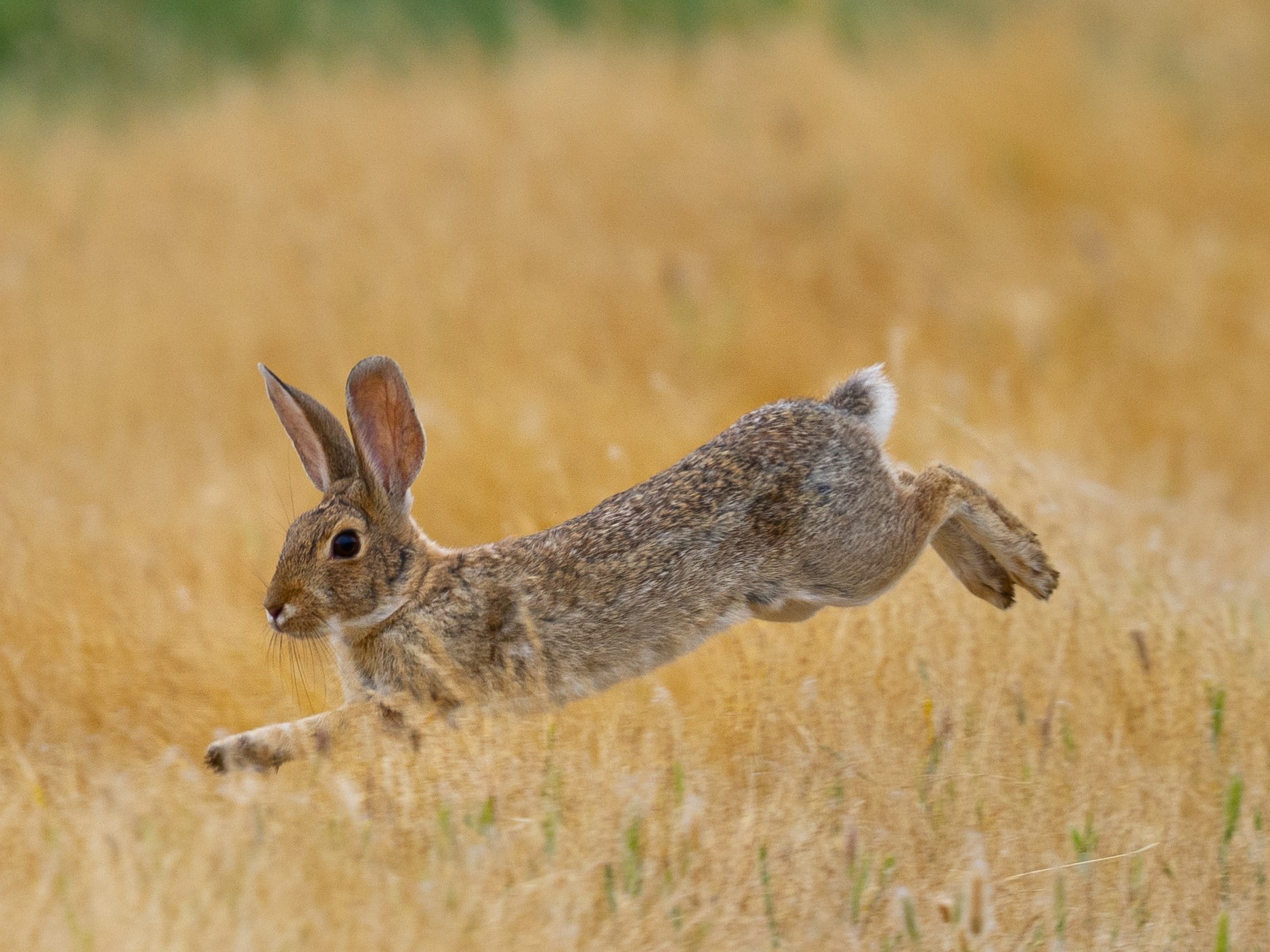
The European rabbit was introduced to Tasmania in the 1820s and is found across most of our agricultural and settled areas. Under Tasmanian legislation they are a declared animal pest (Biosecurity Act 2019) and classified as vermin (Vermin Control Act 2000 – making landholders ‘responsible for reasonable actions to control rabbits’).
Rabbits are an agricultural pest and compete with native wildlife, damage vegetation and degrade land, to the point of threatening native species and ecological communities.
Managing neighbourhood rabbit problems
Rabbits breed very quickly and from a young age. Populations can increase periodically in many of our towns, where they find safe refuge and shelter and easy access to food, particularly during good spring growing seasons. Their feeding and digging can do considerable damage to gardens, lawns and buildings.
In towns and peri-urban areas shooting and poisoning are not good options and safe options for managing rabbits are limited. One thing to do is manage the shelter and food resources they can exploit, fencing out rabbits to protect gardens and buildings for example. Take the time to observe problem rabbits and plan control efforts with your neighbours. Remember to always respect the welfare of animals (see PestSmart for information, via link below).
Biological control diseases are present in the environment and when conditions are right can cause rabbit populations to collapse. Outbreaks tend to be cyclical as populations of rabbits and disease vectors, like mosquitoes, go up and down. Biosecurity Tasmania releases new strains of the Rabbit Calicivirus Disease. However conditions for successful release of new strains must be right. Autumn is the preferred season for releases to minimise rabbits developing resistance to virus strains. Also needed are dry conditions when food is scarce (so rabbits will risk taking inoculated baits) and lots of mosquitoes to help spread the virus.
Another thing you can do is add your problem rabbits to a national map at RabbitScan. Effective local, state and national rabbit management programs depend on good information about rabbit populations and the impact they have.
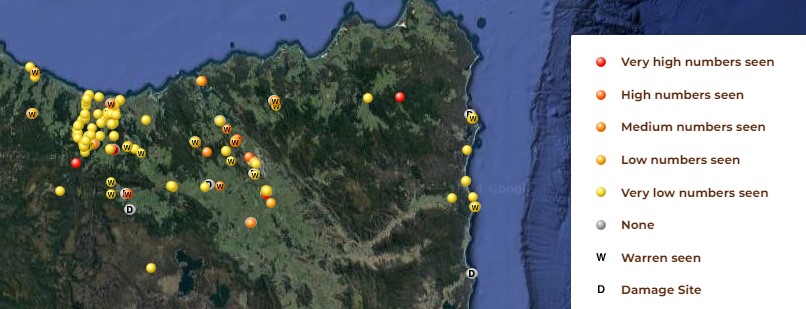
More information on rabbits
The Department of Natural Resources and Environment Tasmania webpages on European rabbits have more information about rabbits and management options, including enquiring about release of biological control diseases in your area and protecting your pet rabbit from the diseases. See also RabbitScan and the Pest Smart information resources available there, and the Australian Government’s Invasive Species factsheet and National Threat Abatement Plan.
Break O’Day Council supports securing Future Potential Production Forest Land with high conservation value in conservation reserves for the community to benefit from the natural values and biodiversity of these forests.
At Council’s February 2026 Meeting it committed its support for Future Potential Production Forests (FPPF) with high conservation value being secured in formal conservation reserves. This would ensure that the natural values, biodiversity, and community benefits provided by these forests are protected for current and future generations.
Council’s decision is underpinned by the Goal of the Break O’Day Strategic Plan 2017-2027 for the Environment: To balance our use of the natural environment to ensure that it is available for future generations to enjoy as we do.
It follows concern in our community in recent years. And efforts by Council to see the uncertain future of FPPF in Break O’Day resolved with consultation by the Tasmanian Government, to ensure the best outcome for our community.
Council is aware that after many years the Tasmanian legislation for FPPF only allows for it to return to Permanent Timber Production Zone land and that the future of FPPF in Tasmania is a state issue.
Further background on Future Potential Production Forest Land is available in an information sheet by the Department of State Growth, and a Guide to the FPPF legislation by the Environment Defenders Office.